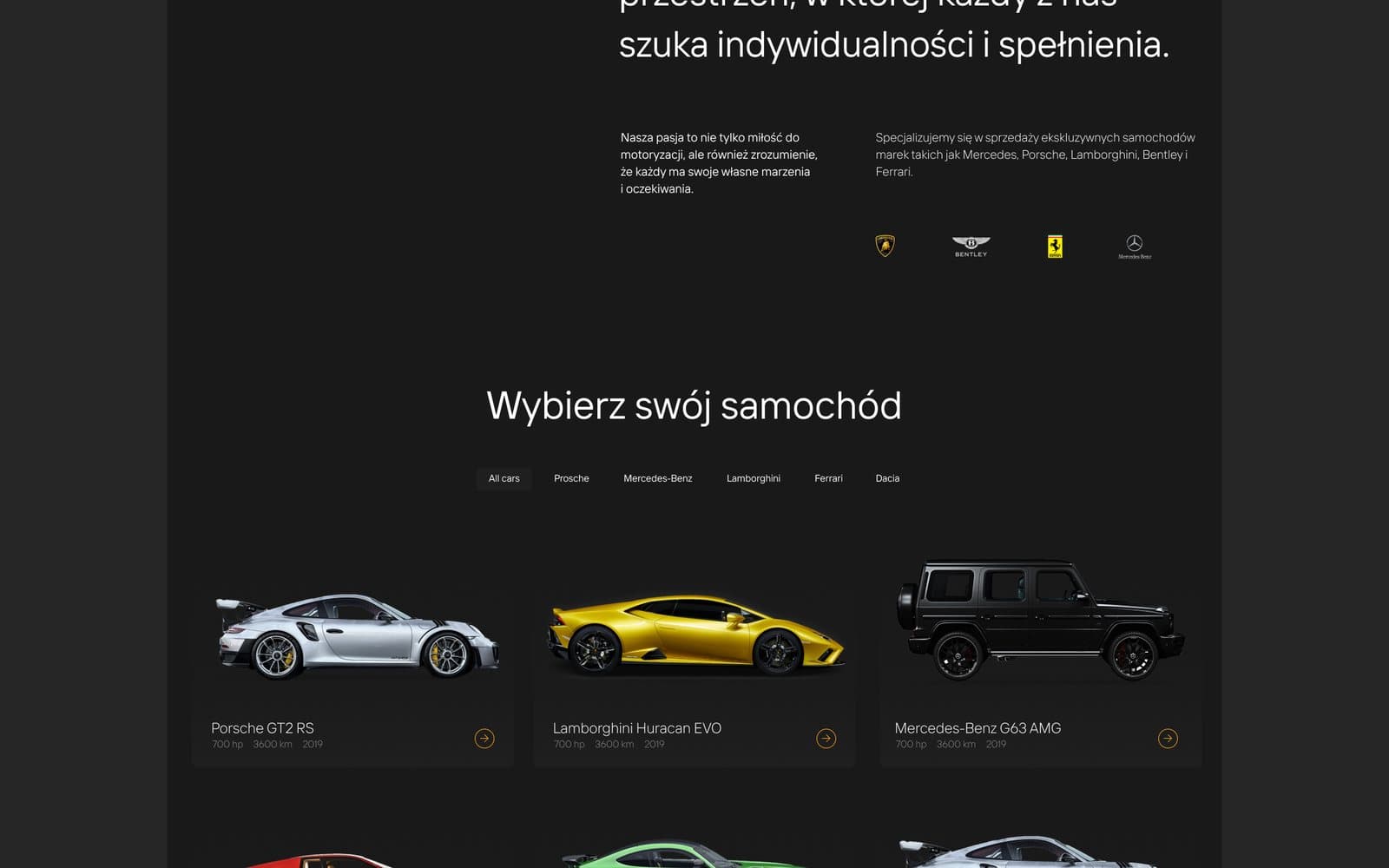
Edach has been building in Lublin since 1995. The company has two legs: residential construction and a chemical supplies store. Thirty years on the market counts for something, the name is well known in the city. But name recognition doesn't sell apartments in a specific development by a specific deadline.
A developer works on two clocks at once
Marketing for a developer looks different from marketing a shop or a service. One clock is long: reputation, recognition, whether someone recommends the company to a friend. The other is short and unforgiving: a development launches, construction runs, units need to sell, ideally before handover.
These two clocks call for different materials. The long one runs on brand: a consistent logo, a folder, an offer, a website. The short one runs on campaigns with an address, a floor plan, and a deadline. Companies that only do the latter start from zero every few months and pay for it in reach costs.
On top of that there's something specific to the local market. A developer from Lublin isn't competing with all of Poland, just a handful of companies the same buyer looks at in the same week. The winner is whoever is visible the moment someone starts looking, and who looks like a company capable of finishing the build.
Get the brand in order first, then run the ads
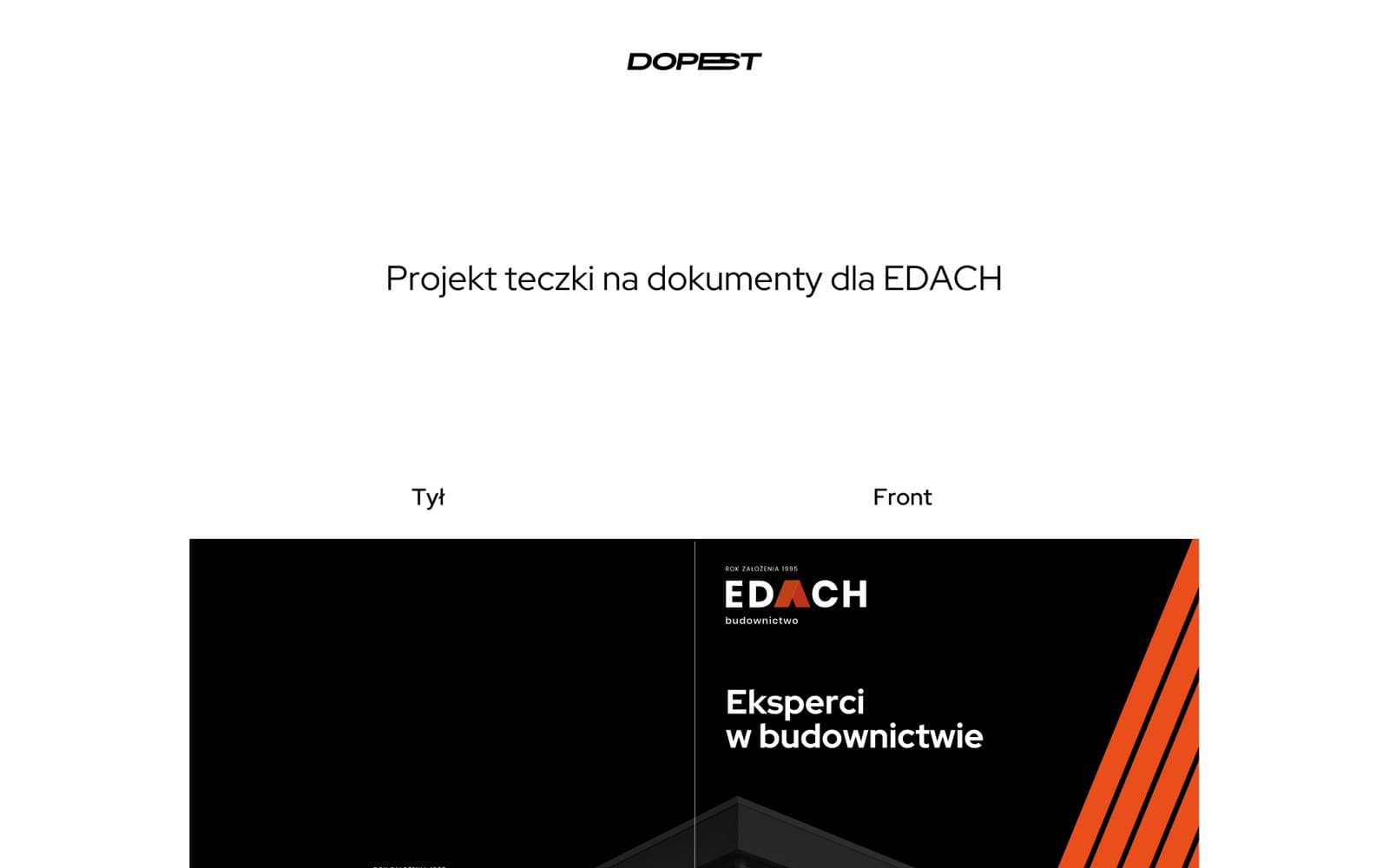
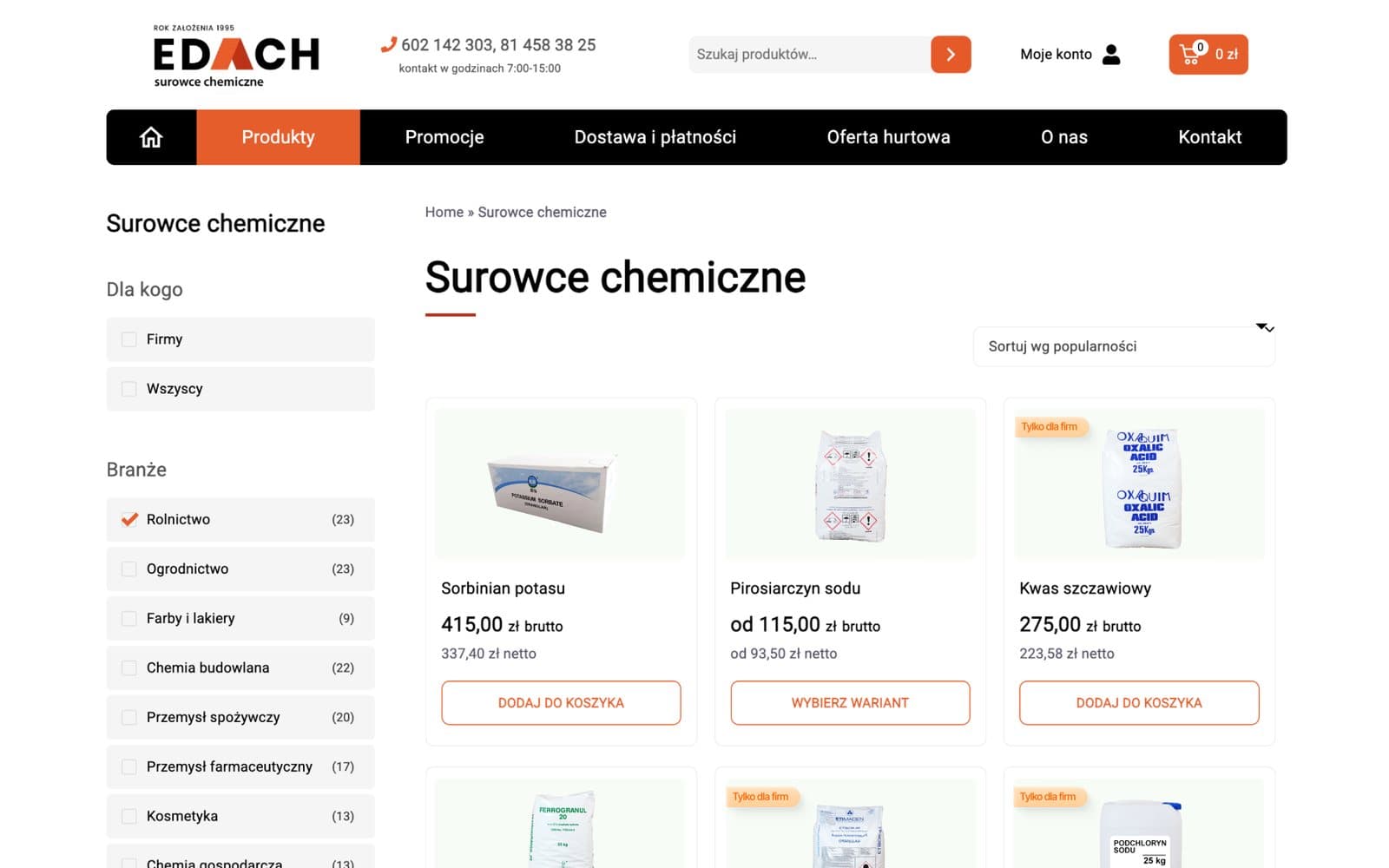
We started with brand strategy, not campaign setup. That produced a logo in four versions, a company folder, and an eleven page proposal covering strategy, a redesign of the website and shop, and guidelines for ad creative. Only then did we build the sales creative on top of it.
That's an order clients usually don't love. A campaign is visible from day one, while order in the materials only becomes visible once everything suddenly fits together: the banner on the construction fence, the leaflet in the sales office, the Meta post, and the newspaper module.
There's a less romantic reason too. Once the brand is documented, creative production speeds up. Three developments with several formats each add up to dozens of files. Without guidelines, each one becomes a separate debate about header color, and at that scale, debates cost more than the design work itself.
Print and press, because apartment buyers don't live on their phones alone
Alongside the digital campaigns, we prepared press ads for Dziennik Wschodni and Gazeta Wyborcza, plus printed materials for housing fairs. In 2026 that sounds old fashioned, until you look at who actually buys an apartment in a provincial capital.
More often than assumed, it's someone in their forties buying for a child or as a rental investment, paying cash or with solid, low-risk financing, and still reading the local paper. A newspaper ad for a development doesn't generate clicks, it generates recognition: "that's the Wesoła project, I saw it in Wyborcza."
Print has another function people rarely mention. A folder a client picks up off the table in the sales office sits in their home for a week. No social post gets that much contact time.
Housing fairs work the same way. A conversation at the booth lasts a few minutes, but something physical remains afterward, with the development's address and the sales office number on it. We designed these materials to look like part of one brand, not printouts from three different places.
Three developments, three separate campaigns
Przemysłowa 10, Biernackiego 17, and Wesoła 10. Three addresses in different parts of Lublin, different unit sizes, different buyers. Each development got its own set of creative in three formats, not a variant of one shared ad with the name swapped out.
The temptation is always the same, because one "developer" campaign for everything is cheaper to produce. Except someone looking for a two bedroom unit near Wesoła doesn't respond to a message about bigger apartments across town. Reach goes up, phone calls don't.
Splitting the campaigns also has an operational edge. When one development sells faster, we can shift budget within a week to wherever more units remain. With a shared campaign, that's not possible, because you can't tell which ad was working for which address.
The creative content differed by address too. For one development, the selling point was location, for another it was unit size, for the third it was construction progress and handover date. An ad that tries to say everything at once ends up saying nothing, because in the feed it gets less than two seconds.
Formats, and ten second video
Each development got a full set: a square for the feed, a vertical for stories, a horizontal for the audience network. On top of that, two ten second video ads per development, alongside seasonal posts, Facebook and LinkedIn covers, and a separate ad line for the chemical supplies store.
Ten seconds isn't a shortcut for a lack of ideas, it's the real attention ceiling in a feed. The first second says where it is. The middle shows what kind of apartment it is. The end says where to click. Anything that doesn't fit that structure gets cut in the edit.
We added video wherever a static image couldn't show the space: the building layout, the surroundings, how close it is to downtown. A flat visualization can't carry that, motion can.
A separate thread was the company's second leg, the chemical supplies store. Ads for agriculture, for the food industry, and for buyers of raw materials ran in parallel, to completely different audiences, in a completely different tone. One company, two markets, one identity, separate campaigns.
The numbers: 16,185,131 reach for 70,211 PLN
The Meta campaigns for the three developments reached a combined 16,185,131 people for a spend of 70,211 PLN. These were ads targeted at the local market, not the cheapest traffic available to buy.
At that scale in a city the size of Lublin, that number means one thing: the campaign kept returning to the same people repeatedly over several months. For a developer, that matters, because the decision to buy an apartment takes weeks to mature and rarely lands on the first ad exposure.
Let's be honest about it: reach isn't sales. Only the developer knows how many contracts the campaign led to, because they're the one talking to the client in the sales office. That's why on future projects we set up measurement earlier, before the ads go live: a form, a phone number tied to the campaign, the question "how did you hear about us" asked at every visit.
It's also worth noting the budget wasn't spent in a single month. We spread it across the sales period for all three developments, shifting it depending on where more units remained. Steady, continuous spending does more for a local market than one big burst followed by six months of going quiet.
What carries over to other developers
Brand and campaign aren't two separate budgets. A sales campaign built on top of an organized identity gets produced faster and looks more expensive for the same money. The reverse holds too: a nice logo without a campaign won't sell a single unit.
A development's advertising has to be ready to change mid-flight. A creative set per development, separate budgets, a clear split of who's responsible for what. Then shifting money from one address to another is a thirty minute decision, not a new production cycle.
What's left is continuity, the least glamorous item on this list. On the next round of materials for Edach, we don't start by learning the company again, we start with the task. That's real time saved, and it only shows up in the second and third year of working together.
If you're running a development and have a marketing budget to plan, start by asking whether your materials are ready for a campaign, not by picking a channel. Then break the messaging down by specific address, prepare a few formats for each, and set up measurement before you spend the first zloty. The rest is work you can adjust as you go.
If you'd like to see these materials in full, or talk about your own development, write to hello@dopest.studio. We reply within a day.